
Samsung's peptide ambitions: Why the Korean giant is betting $1.8 billion on PolyPeptide
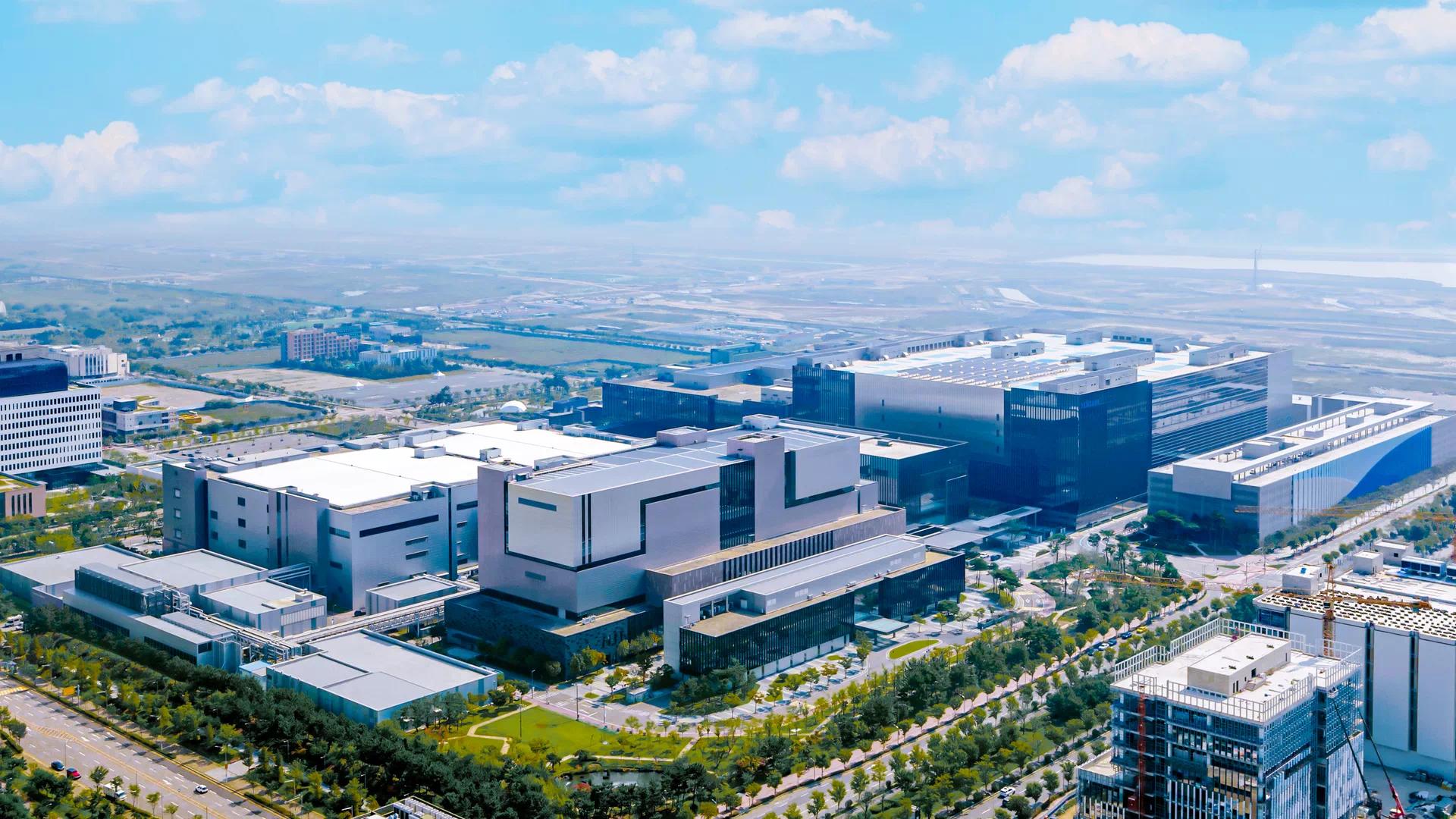
Samsung's next growth engine
South Korea's Samsung Biologics is positioning itself to challenge established peptide manufacturing leaders such as Bachem and CordenPharma with its $1.8 billion acquisition of Swiss-based PolyPeptide Group.
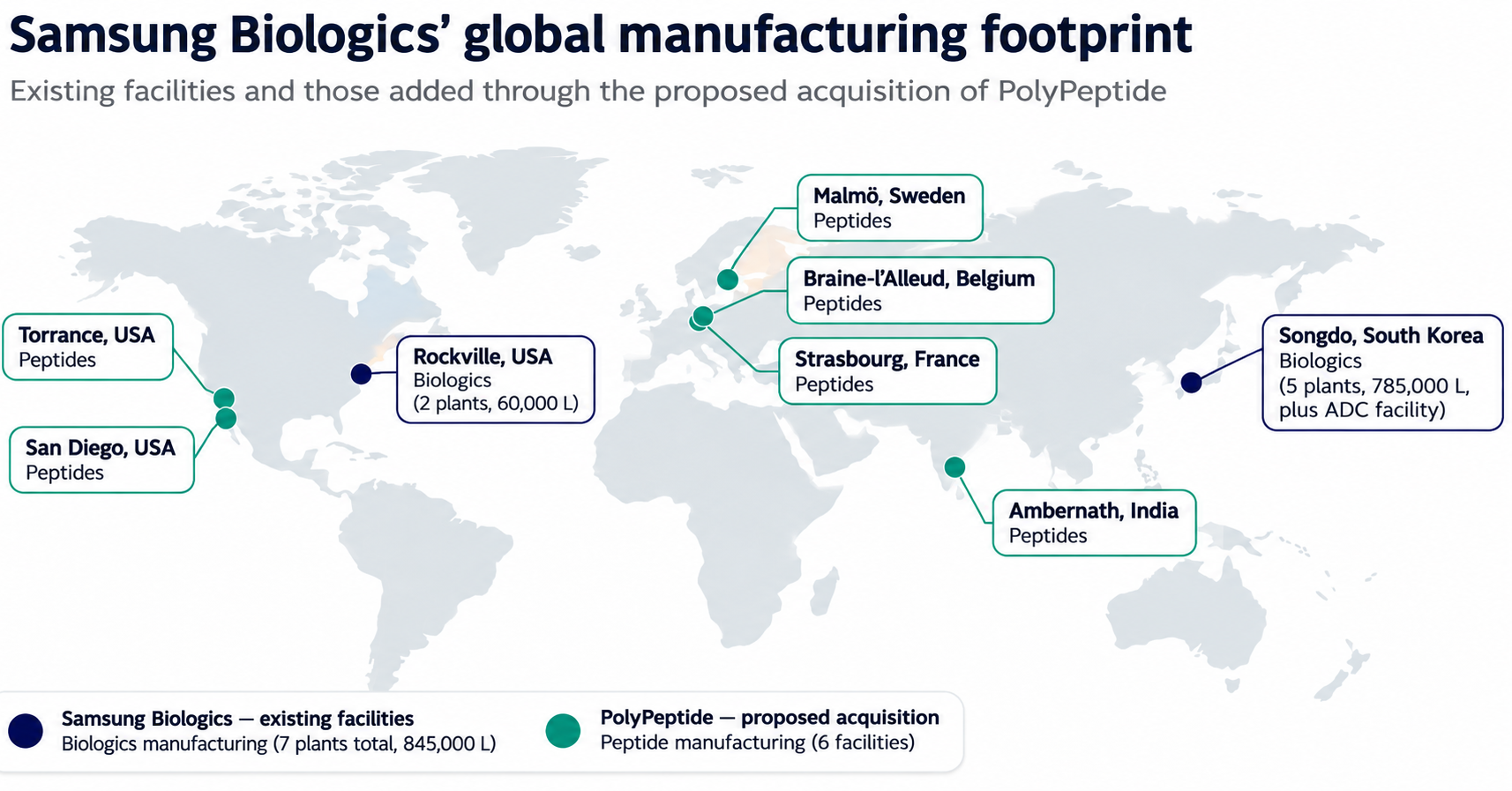
The deal would give one of the world's largest biologics contract manufacturers a major foothold in the rapidly expanding market for peptide therapeutics, including GLP-1 treatments for obesity and diabetes. PolyPeptide brings specialist manufacturing expertise, established pharmaceutical customers and six production facilities across Europe, the United States and India.
"This acquisition reinforces our long-term growth strategy," said Samsung Biologics CEO John Rim, highlighting the company's expansion into peptides and its growing international footprint.
The move introduces a financially powerful new owner into an industry already investing heavily in additional manufacturing capacity, potentially reshaping competition as new facilities come online.
Announced in July 2026, the acquisition is expected to close by year-end or in early 2027, subject to remaining conditions.
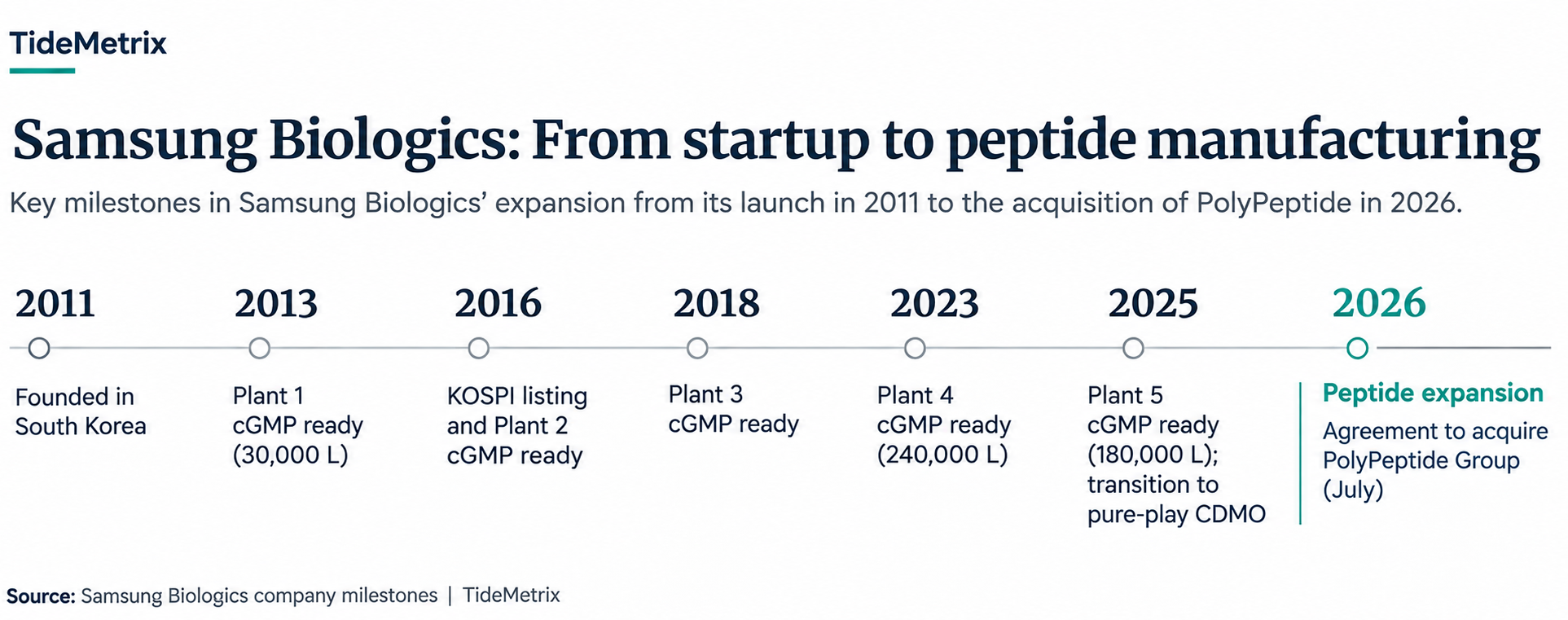
Why PolyPeptide?
Samsung is buying into a peptide manufacturer whose business is accelerating rapidly, fueled by surging demand for GLP-1 treatments and other metabolic therapies.
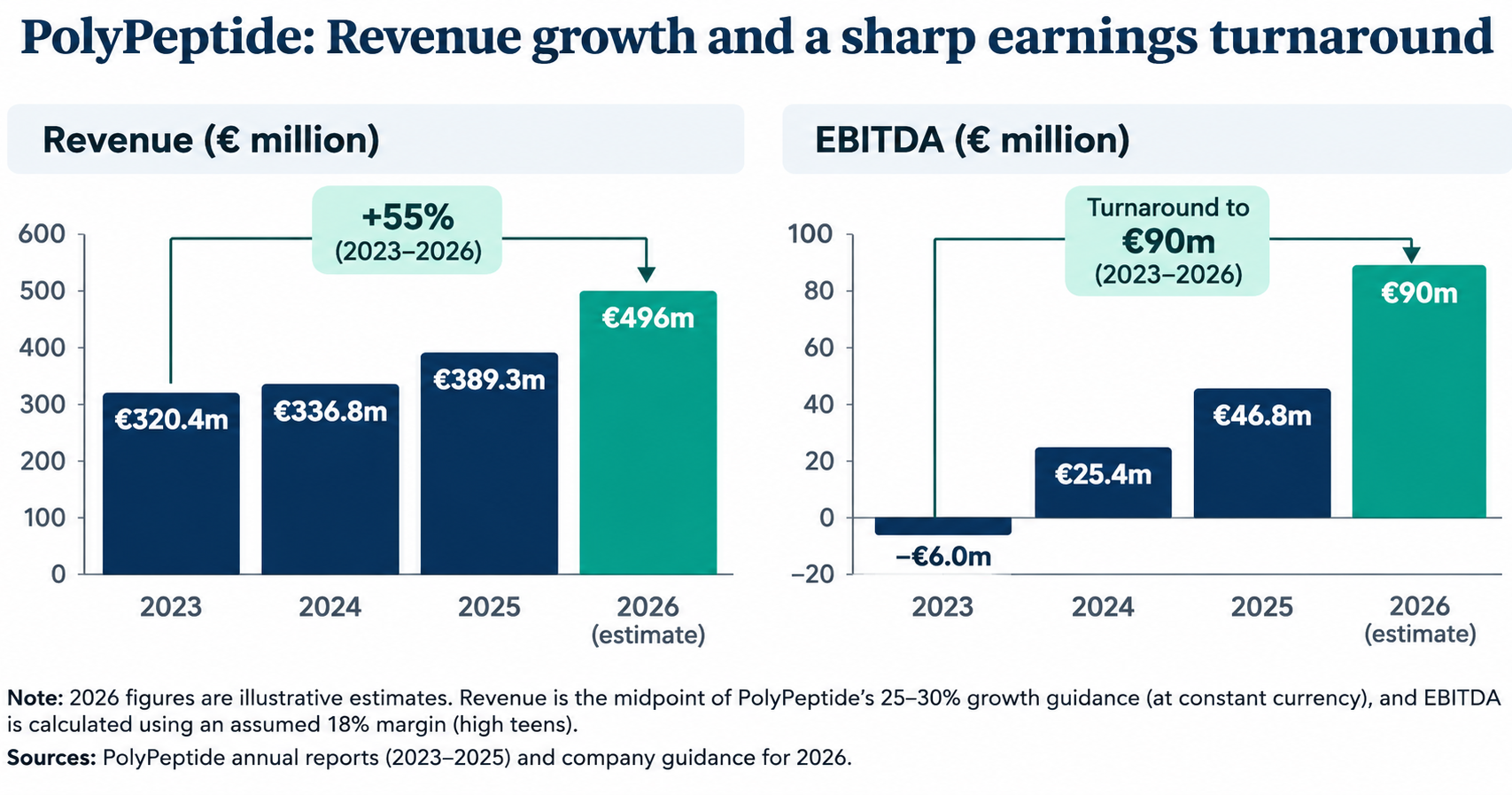
PolyPeptide's revenue rose 15.6% to €389 million in 2025, while EBITDA — a measure of operating earnings — jumped 84% to €46.8 million. Growth accelerated in the first half of 2026, with revenue climbing 42% to €237 million and EBITDA reaching €49.1 million, compared with just €4.4 million a year earlier.
For the full year, PolyPeptide expects revenue growth of 25–30% and an EBITDA margin in the high teens, suggesting that operating earnings could nearly double from 2025 levels.
PolyPeptide's growth prospects may be as attractive to Samsung as its manufacturing capabilities. The Swiss company expects revenue to grow faster in 2026 than Samsung Biologics itself, which is forecasting a 20% increase. PolyPeptide also aims to double its 2023 revenue by 2028, with its EBITDA margin approaching 25%.
Metabolic therapeutics accounted for 68% of PolyPeptide's revenue in the first half of 2026, up from 40% in 2024. The company also had 37 Phase III development projects in its pipeline, offering potential future commercial business.
Samsung's CHF 1.46 billion ($1.8 billion) offer values PolyPeptide's shares at roughly four times its 2025 annual revenue.
The acquisition is part of a broader wave of consolidation in peptide manufacturing. Rival CordenPharma acquired US-based AmbioPharm in August 2026, adding manufacturing facilities in the United States and China, while India's Granules purchased Swiss peptide specialist Senn Chemicals in 2025. Financial terms were not disclosed for the CordenPharma transaction.
For Samsung, acquiring PolyPeptide offers a faster route into peptide manufacturing than developing the technology internally. Seungyeon Han, an analyst at NH Investment & Securities, described the deal as a way to avoid the opportunity cost of building capabilities from scratch while the obesity-treatment market expands rapidly.
But Samsung is buying more than growth. It gains decades of specialist peptide manufacturing expertise, established pharmaceutical customers and a network of facilities that would take years to build organically.
How far can Samsung go?
Samsung's biggest advantage may be what it can do with PolyPeptide after the acquisition.
The Swiss manufacturer has already invested heavily in expanding production, spending €110 million in 2025 alone. Between 2023 and 2025, it received €156 million in customer prepayments to help finance its growth.
Samsung brings considerably greater financial resources and a track record of rapidly building and scaling pharmaceutical manufacturing facilities. Its existing relationships with major drugmakers could also help PolyPeptide secure additional commercial contracts.
And Samsung is already looking beyond the acquisition. In a September regulatory filing, the company acknowledged that PolyPeptide would require further capital investment, although the amount and timing have yet to be determined.
PolyPeptide's existing expansion program is substantial. Its Malmö facility is set to double solid-phase peptide synthesis capacity, while new production capacity is being brought online in Strasbourg. Further expansions are underway in India and the United States.
But Samsung faces formidable competition. Switzerland's Bachem is investing heavily in new manufacturing facilities, while CordenPharma is expanding its global footprint, including through its recent acquisition of AmbioPharm.
The industry's collective investment raises an important question: could today's capacity shortages become tomorrow's oversupply? If demand fails to keep pace with new production, manufacturers could face pressure on utilization and pricing.
Samsung's financial strength and industrial expertise could transform PolyPeptide into a much larger competitor. The question is how aggressively it intends to expand — and whether the market will grow fast enough to absorb the additional capacity.
What it means for the peptide supply chain
Samsung's entry into peptide manufacturing could have significant implications for suppliers of the raw materials used to produce peptide therapeutics.
As PolyPeptide expands production, demand for protected amino acids, synthesis resins, coupling reagents and solvents is likely to increase. Large-scale solid-phase peptide synthesis requires substantial quantities of these materials, making their cost, availability and quality increasingly important.
Samsung's purchasing power could also reshape supplier relationships. Its experience managing complex global supply chains may help PolyPeptide negotiate more competitive prices, diversify sourcing and secure long-term supply agreements.
For raw-material manufacturers, the opportunity could be substantial. Suppliers capable of delivering consistent quality at commercial scale may benefit as Samsung and its competitors expand production.
But greater purchasing concentration could also put pressure on margins. As peptide CDMOs grow larger, suppliers may face tougher negotiations and increasing demands for cost transparency, supply security and regulatory documentation.
Much will depend on how aggressively Samsung expands PolyPeptide's manufacturing capacity. For suppliers, the acquisition is another indication that the peptide industry is moving toward larger-scale, more industrialized production — with potentially far-reaching consequences for raw-material demand and pricing.
Sources
- Samsung Biologics, July 20, 2026 — Announcement of the proposed acquisition of PolyPeptide Group
- PolyPeptide Group, 2026 — Half-year financial results and manufacturing expansion updates
- PolyPeptide Group, 2025 — Annual financial results and reports
- Samsung Biologics, August 28, 2026 — KRW 3 trillion rights offering and investment plans
- Samsung Biologics, September 2026 — Korean regulatory filing detailing planned investments
- CordenPharma, August 3, 2026 — Completion of AmbioPharm acquisition
- Granules India, April 10, 2025 — Completion of Senn Chemicals acquisition